5/25/11

Archetypal Symbolism


A  R  A  S
The Archive for Research in Archetypal Symbolism
 

... the content of the collective unconscious
is made up essentially of archetypes
...
Carl Jung


FREE NEWSLETTER
Receive our quarterly newsletter ARAS Connections: Image and Archetype connecting art, culture, and depth psychology
from a multi-disciplinary perspective.
free of charge, or e-mail signupnow@aras.org.

Your address will be used solely for this newsletter. You may cancel at any time.
A new book from ARAS:
The Book of Symbols: Reflections on Archetypal Images

Published by Taschen, November 2010
Pre-order your copy

Approximately 350 original essays accompanied by 800 full-color images, from cave drawings to contemporary art, illuminate psyche's mythopoetic nature and symbolic form. Text and image work together to move the reader from the visual experience of an image to the discovery of its psychological resonance and archetypal core.

See More · Press Release
The ARAS Archive
Drawing upon Carl Jung’s work on the archetype and the collective unconscious, the Archive for Research in Archetypal Symbolism (ARAS) is a pictorial and written archive of mythological, ritualistic, and symbolic images from all over the world and from all epochs of human history. The collection probes the universality of archetypal themes and provides a testament to the deep and abiding connections that unite the disparate factions of the human family.


Click on image for larger view.

Begun in the 1930's by a colleague of Jung, the ARAS archive contains approximately 17,000 photographic images, each cross-indexed and accompanied by scholarly commentary. The commentary includes a description of the image with a cultural history that serves to place it in its unique historical and geographical setting. Often it also includes an archetypal commentary that brings the image into focus for its modern psychological and symbolic meaning, as well as a bibliography for related reading and a glossary of technical terms.

View these sample images and commentaries:

Click on image for larger view.

You can find images of interest within the ARAS archive in many ways.  Just as in Google, you can search through the archive on any word or phrase.  Each search generates a set of image thumbnails and short descriptions to let you review quickly which images you wish to study more.

From one image, your search can easily lead to others.  Many commentaries link you directly to related images.  Images are also typically cataloged by the archetypal themes present in them and you can quickly view other images with those themes.  You can also look at other images from within the same era.

When you search, you also see a cultural timeline, showing where the specific images found are situated across human time and culture.  The timeline also lets you narrow your search to certain periods of most interest.  The sample above shows the timeline generated for "Great Mother."


 zooms to 
Sometimes, a particular image has such rich detail that you will want to see more visual detail.  The ARAS archive lets you zoom in several-fold.  You may also print out images, copy them into PowerPoint presentations, and order 35 mm slides (all subject to non-commercial personal or educational use).
 
 
Click on image for larger view.
You can also view all the images associated with a random archetypal theme in an animated image collage.  This lets you enjoy the full richness of the images on their own and discover how many cultures and eras have expressed a common idea in their own ways.

 
Join ARAS Online to access the entire ARAS archive over the Internet.  Memberships are tax-deductible and can be given as gifts to others.  Through ARAS Online, you will be able to access the entire content of the two magnificent ARAS publications: Archetypal Symbolism and The Body.  These books cost $300 when purchased on their own.

Useful Links

Self Reference


Self-referential sentences


Produced by Andy Burbanks The following is adapted from an idea presented by Douglas Hofstadter in his wonderful book Metamagical Themas.

A very peculiar sentence...

Can you see anything special about the following sentence?
In this sentence, the number of occurences of 0 is 1,
 of 1 is 11, of 2 is 2, of 3 is 1, of 4 is 1, of 5 is 1,
 of 6 is 1, of 7 is 1, of 8 is 1, and of 9 is 1.
This is, in fact, a self-referential self-documenting sentence.
By self-referential, we mean that it talks about itself. By self-documenting we mean that it makes a (true) statement about its own contents. In this case, it makes a true statement about the number of occurences of each of the digits 0 to 9 that it contains
It is very important that the statement it makes is true, because there are plenty of statements of this kind that are false. Just try putting a few randomly chosen numbers into the sentence instead: it is highly unlikely that you will get a true statement just by chance!
You might think that the above statement is perhaps unique, but it's not the only one! The following sentence has the same property.
In this sentence, the number of occurences of 0 is 1,
 of 1 is 7, of 2 is 3, of 3 is 2, of 4 is 1, of 5 is 1,
 of 6 is 1, of 7 is 2, of 8 is 1, and of 9 is 1.

Stranger still...

There is at least one creature that is weirder than the above: What about the following pair of sentences?
In the next sentence, the number of occurences of 0 is 1,
 of 1 is 7, of 2 is 4, of 3 is 1, of 4 is 1, of 5 is 1,
 of 6 is 1, of 7 is 1, of 8 is 2, and of 9 is 1.

 In the previous sentence, the number of occurences of 0 is 1,
 of 1 is 8, of 2 is 2, of 3 is 1, of 4 is 2, of 5 is 1,
 of 6 is 1, of 7 is 2, of 8 is 1, and of 9 is 1.
These take a peculiar interest in each others contents! But what is more interesting is that both of the sentences are true simultaneously. That is, each of the sentences makes a true statement about the other.

Construction

How is it possible to come up with these strangely introspective sentences?
Firstly, consider the blank `template sentence':
In this sentence, the number of occurences of 0 is _,
 of 1 is _, of 2 is _, of 3 is _, of 4 is _, of 5 is _,
 of 6 is _, of 7 is _, of 8 is _, and of 9 is _.
What is needed is some way of filling in the gaps.

Choosing an initial value

Suppose that we begin by putting in any ten numbers, even though the resulting sentence is almost bound to be false. Each choice of ten numbers gives a vector of ten entries. For example, choosing all of the numbers to be zero gives the vector:
(0,0,0,0,0,0,0,0,0,0)
The corresponding sentence would be:
In this sentence, the number of occurences of 0 is 0,
 of 1 is 0, of 2 is 0, of 3 is 0, of 4 is 0, of 5 is 0,
 of 6 is 0, of 7 is 0, of 8 is 0, and of 9 is 0.
In this case, the sentence is certainly false since each digit occurs at least once!

Applying a process

What happens if we start with the initial vector chosen above, and then count up the proper numbers of digits that really occur in the corresponding sentence. This gives the new vector:
(11,1,1,1,1,1,1,1,1,1)
Unfortunately, applying this process has again resulted in a false sentence:
In this sentence, the number of occurences of 0 is 11,
 of 1 is 1, of 2 is 1, of 3 is 1, of 4 is 1, of 5 is 1,
 of 6 is 1, of 7 is 1, of 8 is 1, and of 9 is 1.

Iteration and fixed points

What happens if we repeat this process with the new sentence again and again? This is known as iterating the process. Here are the vectors that result:
(11,1,1,1,1,1,1,1,1,1)
 (1,12,1,1,1,1,1,1,1,1)
 (1,11,2,1,1,1,1,1,1,1)
 (1,11,2,1,1,1,1,1,1,1)
 ...
After a few steps, the numbers are no longer changing. The resulting vector
(1,11,2,1,1,1,1,1,1,1)
is called a fixed-point of the process, since its value does not change when the process is applied. (We might also call it a 1-cycle, i.e. a cycle which repeats every 1 step of the process.) What's more, the corresponding sentence is actually true (in fact, it is the first of the self-documenting sentences given above).

'Attraction' to a fixed point

Trying other initial vectors tends to eventually lead to the same result. This means that the fixed point vector is (in some sense) attracting other vectors to it when the process is applied.
Notice how an apparently difficult problem (namely, coming up with correct values to place into the template) has been solved by iterating a simple process. In this case it worked because the fixed point was `attracting' other values when the process was iterated.
In fact, the above fixed point is not the only one, there is another (corresponding to the second self-documenting sentence shown above) as can be seen from the following sequence of vectors:
(243000,645,9,2225,234,0,23445987,23434,2,34)
 (5,1,9,7,9,4,2,2,2,3)
 (1,2,4,2,2,2,1,2,1,3)
 (1,4,6,2,2,1,1,1,1,1)
 (1,7,3,1,2,1,2,1,1,1)
 (1,7,3,2,1,1,1,2,1,1)
 (1,7,3,2,1,1,1,2,1,1)
 ...

Cycles (periodic orbits)

For some initial vectors, the process does not lead to a fixed point, but instead gives an alternating pair of values. For example:
(243,645,9765,2225,2340,300,234,23434,2,34)
 (4,1,9,8,8,4,3,2,1,2)
 (1,3,3,2,3,1,1,1,3,2)
 (1,5,3,5,1,1,1,1,1,1)
 (1,8,1,2,1,3,1,1,1,1)
 (1,8,2,2,1,1,1,1,2,1)
 (1,7,4,1,1,1,1,1,2,1)
 (1,8,2,1,2,1,1,2,1,1)
 (1,7,4,1,1,1,1,1,2,1)
 (1,8,2,1,2,1,1,2,1,1)
 ...
This is a 2-cycle, i.e. a cycle which repeats every 2 steps. The sequences of values produced by iterating a process is called the orbit of the initial value under the process. Cycles are also called periodic orbits, and a 2-cycle is also known as a periodic orbit having period 2.
Notice that the existence of a period-2 orbit implies the existence of a pair of sentences, each of which documents the contents of the other! (These values were used in the self-documenting pair given earlier.)
And, in general, if the method were to lead to an N-cycle (for some positive whole number N), then there must be a succession of N sentences, where each one documents the contents of the next (with the final sentence documenting the contents of the first).

Other links of interest

To see other examples of iteration leading to fixed points and periodic orbits, see the following sections of the gallery:


Back to:     Gallery home     Home page
 
Additional Links


Self Reference in Wikipedia

Iterative Sentences

List of Self Referential Sentences

Self Reference Puzzle

Self Referential Story

The Liar and Fuzzy Logic, by Vezerides and Kehagias


Some good literature sources


Google Books

Project Gutenberg

Πύλη Ελληνικής Γλώσσας

Αρχαία Ελληνικά Κείμενα

Perseus Project

Ubu Web

Ubu Sound

Sacred Texts

Modern Greek Literature


ΔΙΟΝΥΣΙΟΣ ΣΟΛΩΜΟΣ

Η ΓΥΝΑΙΚΑ ΤΗΣ ΖΑΚΥΝΘΟΣ


ΚΕΦΑΛΑΙΟΝ 1

“Ο ΙΕΡΟΜΟΝΑΧΟΣ ΠΙΚΡΑΙΝΕΤΑΙ”


1. Εγώ Διονύσιος Ιερομόναχος, εγκάτοικος στο ξωκλήσι του Αγίου Λύπιου, για να περιγράψω ό,τι στοχάζουμαι λέγω:
2. Ό,τι εγύριζα από το μοναστήρι του Άγιου Διονυσίου, οπού είχα πάει για να μιλήσω με έναν καλόγερο, για κάτι υπόθεσες ψυχικές.
3. Και ήτανε καλοκαίρι, και ήταν ή ώρα οπού θολώνουνε τα νερά, και είχα φθάσει στα Τρία Πηγάδια, και ήταν εκεί τριγύρου ή γη όλο νερά, γιατί πάνε οι γυναίκες και συχνοβγάνουνε.
4. Εσταμάτησα σε ένα από τα Τρία Πηγάδια, και απιθώνοντας τα χέρια μου στο φιλιατρό του πηγαδιού έσκυψα να ιδώ αν ήτουν πολύ νερό.
5. Και το είδα ως τη μέση γιομάτο και είπα: Δόξα σοι ο Θεός.
6. Γλυκιά η δροσιά που στέρνει για τα σπλάχνα του ανθρώπου το καλοκαίρι, μεγάλα τα έργα του και μεγάλη ή αφχαριστία του άνθρώπου.
7. Και οι δίκαιοι κατά τη θεία Γραφή πόσοι είναι; Και συλλογίζοντας αυτό επαίξανε τα μάτια μου στα χέρια μου οπού ήτανε απιθωμένα στο φιλιατρό.
8. Και θέλοντας να μετρήσω με τα δάχτυλα τους δίκαιους, ασήκωσα από το φιλιατρό το χέρι μου το ζερβί, και κοιτώντας τα δάχτυλα του δεξιού είπα: Τάχα να είναι πολλά;
9. Και αρχίνησα και εσύγκρενα τον αριθμό των δικαίων οπού εγνώριζα με αυτά τα πέντε δάχτυλα, και βρίσκοντας πως ετούτα επερισσεύανε ελιγόστεψα το δάχτυλο το λιανό, κρύβοντας το ανάμεσα στο φιλιατρό και στην απαλάμη μου.
10. Και έστεκα και εθεωρούσα τα τέσσερα δάχτυλα για πολληώρα, και αιστάνθηκα μεγάλη λαχτάρα, γιατί είδα πως ήμουνα στενεμένος να λιγοστέψω, και κοντά στο λιανό μου δάχτυλο, έβαλα το σιμοτινό του στην ίδια θέση.
11. Εμνέσκανε το λοιπόν από κάτου από τα μάτια μου τα τρία δάχτυλα μοναχά, και τα εχτυπούσα ανήσυχα απάνου στο φιλιατρό για να βοηθήσω, το νου μου να εύρει κάνε τρεις δίκαιους.
12. Αλλά επειδή αρχινήσανε τα σωθικά μου να τρέμουνε σαν τη θάλασσα που δεν ησυχάζει ποτέ,
13. ασήκωσα τα τρία μου έρμα δάχτυλα και έκαμα το σταυρό μου.
14. Έπειτα θέλοντας να αριθμήσω τους αδίκους, έχωσα το ένα χέρι μες στην τσέπη του ράσου μου και το άλλο ανάμεσα στο ζωνάρι μου, γιατί εκατάλαβα, αλίμονον! πως τα δάχτυλα δεν εχρειαζόντανε ολότελα.
15. Και ο νους μου εζαλίστηκε από το μεγάλον αριθμό· όμως με παρηγορούσε το να βλέπω πως καθένας κάτι καλό είχε απάνου του. Και άκουσα ένα. γέλιο φοβερό μες στο πηγάδι και είδα προβαλμένα δυο κέρατα.
16. Και μου ήρθε στο νου μου, περσότερο από όλους αυτούς, ή γυναίκα της Ζάκυνθος, ή οποία πολεμάει να βλάφτει τους άλλους με τη γλώσσα και με τα έργατα, και ήταν έχθρισσα θανάσιμη του έθνους.
17. Και γυρεύοντας να ιδώ εάν μέσα σε αυτήν την ψυχή, εις την οποίαν αναβράζει η κακία του Σατανά, αν έπεσε ποτέ η απεθυμιά του παραμικρού καλού,
18. έπειτα που εστάθηκα να συλλογιστώ καλά, ύψωσα το κεφάλι μου και τα χέρια μου στον ουρανό και εφώναξα: Θέ μου, καταλαβαίνω πως γυρεύω ένα κλωνί αλάτι μες στο θερμό.
19. Και είδα πως ελάμπανε από πάνου μου όλα τ' άστρα, και εξάνοιξα την Αλετροπόδα, όπου με ευφραίνει πολύ.
20. Και εβιάσθηκα να κινήσω για το ξωκλήσι του Αγίου Λύπιου, γιατί είδα πως εχασομέρησα, και ήθελα να φθάσω για να περιγράψω τη γυναίκα της Ζάκυνθος.
21. Και ιδού καμία δωδεκαριά ψωρόσκυλα που ηθέλανε να μου εμποδίσουν το δρόμο,
22. και μη θέλοντας εγώ να τα κλοτσοβολήσω για να μην εγγίξω την ψώρα και τα αίματα πούχανε, εστοχασθήκανε πως τα σκιάζουμαι,
23. και ήρθανε βαβίζοντας σιμότερά μου· όμως εγώ εκαμώθηκα πως σκύφτω να πάρω πέτρα,
24. και έφυγαν όλα και εξεθύμαιναν τα κακορίζικα ψωριασμένα τη λύσσα τους, το ένα δαγκώνοντας το άλλο.
25. Αλλά ένας όπου εδιαφέντευε κάποια από τα ψωρόσκυλα επήρε κι αυτός μιά πέτρα,
26. και βάνοντας ο άθεος για σημάδι το κεφάλι εμέ του Διονυσίου του Ιερομόναχου δεν το πίτυχε. Γιατί από τη βία τη μεγάλη, με την οποίαν ετίναξε την πέτρα, εστραβοπάτησε και έπεσε.
27. Έτσι εγώ έφτασα στο κελί του Αγίου Λύπιου παρηγορημένος από τές μυρωδίες του κάμπου, από τα γλυκότρεχα νερά και από τον αστρόβολον ούρανό, ο όποιος εφαινότουνα από πάνου από το κεφάλι μου μία Ανάσταση.


ΚΕΦΑΛΑΙΟΝ 2

Η ΓΥΝΑΙΚΑ ΤΗΣ ΖΑΚΥΝΘΟΣ
Ο IΕΡΟΜΟΝΑΧΟΣ ΠΟΛΕΜΑΕΙ ΝΑ ΠΑΡΗΓΟΡΗΘΕΙ


1. Το λοιπόν το κορμί της γυναικός ήτανε μικρό και παρμένο,
2. και το στήθος σχεδόν πάντα σημαδεμένο από τές αβδέλλες που έβανε για να ρουφήξουν το τηχτικό, και από κάτου εκρεμόντανε δύο βυζιά ωσάν καπνοσακούλες.
3. Και αυτό το μικρό κορμί επερπατούσε γοργότατα, και οι αρμοί της εφαινόντανε ξεκλείδωτοι.
4. Είχε το μούτρο της τη μορφή του καλαποδιού, και έβλεπες ένα μεγάλο μάκρο αν εκύτταζες από την άκρη του πηγουνιού ως την άκρη του κεφαλιού,
5. εις την οποία ήτανε μιά πλεξίδα στρογγυλοδεμένη και από πάνου ένα χτένι θεόρατο.
6. Και όποιος ήθελε σιμώσει την πιθαμή για να μετρήσει τη γυναίκα, ήθελ' εύρει το τέταρτο του κορμιού στο κεφάλι.
7. Και το μάγουλό της εξερνούσε σάγριο, το όποιο ήταν πότε ζωντανό και πότε πονιδιασμένο και μαραμένο.
8. Και άνοιγε κάθε λίγο ένα μεγάλο στόμα για ν' αναγελάσει τους άλλους, και έδειχνε τα κάτου δόντια τα μπροστινά μικρά και σάπια, που εσμίγανε με τα απάνου πούτανε λευκότατα και μακρία.
9. Και μόλον πόυτανε νιά, οι μηλίγγοι και το μέτωπο και τα φρύδια και η κατεβασιά της μύτης γεροντίστικα.
10. Πάντα γεροντίστικα, όμως ξεχωριστά όταν ακουμπούσε το κεφάλι της εις το γρόθο το δεξή μελετώντας την πονηριά.
11. Και αυτή η θωριά η γεροντίστικη ήτανε ζωντανεμένη από δύο μάτια λαμπρά και ολόμαυρα, και το ένα ήτανε ολίγο αλληθώρικο,
12. και εστριφογυρίζανε εδώ και εκεί γυρεύοντας το κακό, και το βρίσκανε και όπου δεν ήτουν.
13. Και μες στα μάτια της άστραφτε ένα κάποιον τι που σ' έκανε να στοχασθείς ότι, η τρελάδα ή είναι λίγο που την άφησε ή κοντεύει να την κυτριμίσει.
14. Και τούτη ήταν η κατοικία της ψυχής της της πονηρής και της αμαρτωλής.
15. Και εφανέρωνε την πονηρία και μιλώντας και σιωπώντας.
16. Και όταν εμιλούσε κρυφά για να βλάψει τη φήμη του ανθρώπου, έμοιαζε η φωνή της με το ψιθύρισμα του ψαθιού πατημένου από το πόδι του κλέφτη.
18. Και όταν εμίλειε δυνατά, εφαινότουνα η φωνή της εκείνη όπου κάνουν οι άνθρωποι για να αναγελάσουν τους άλλους.
19. Και μολοντούτο, όταν ήτουν μοναχή, επήγαινε στον καθρέφτη, και κοιτώντας εγέλουνε κ' έκλαιε,
20. και εθάρρειε πως είναι η ωραιότερη απ' όσες είναι στα Εφτάνησα.
21. Και ήταν για να χωρίζει ανδρόγυνα και αδέλφια επιδέξια σαν το Χάρο.
22. Και όταν έβλεπε στον ύπνο της το ωραίο κορμί της αδελφής της εξύπναε τρομασμένη.
23. Ο φθόνος, το μίσος, η υποψία, η ψευτιά τής ετραβούσανε πάντα τα σωθικά,
24. Σαν τα βρωμόπαιδα της γειτονιάς τα βλέπεις ξετερολοϊσμένα και λερωμένα να σημαίνουν τα σήμαντρα του πανηγυριού και βουρλίζουν τον κόσμο.
* * *
25. Αλλά μιλώντας πάντα για τα κακά των άλλων γυναικών έσωσε ο νους της και επυρώθηκε,
26. και αισθανότουνα μία κάποια γλυκάδα εις το να τα ξαναμελετάει μονάχη της.
27. Μολοντούτο εβαστιότουνα από τα κακά έργατα.
28. Αλλά επειδή αγρίκουνε που τήν έλεγαν άσχημη, εβλάφθηκε η φιλαυτία της και εκριμάτισε και στο τέλος δεν είχε κράτο κτλ.


ΚΕΦΑΛΑΙΟΝ 3

ΟΙ ΜΙΣΟΛΟΓΓΙΤΙΣΣΕΣ


1. Και εσυνέβηκε αυτές τες ημέρες οπού οι Τούρκοι επολιορκούσαν το Μισολόγγι και συχνά ολημερνίς και καπότε οληνυχτίς έτρεμε η Ζάκυνθο από το κανόνισμα το πολύ.
2. Και κάποιες γυναίκες Μισολογγίτισσες επερπατούσαν τριγύρω γυρεύοντας για τους άνδρες τους, για τα παιδιά τους, για τ' αδέλφια τους που επολεμούσανε.
3. Στην αρχή εντρεπόντανε νάβγουνε και επροσμένανε το σκοτάδι για ν' απλώσουν το χέρι, επειδή δεν ήτανε μαθημένες.
4. Και είχανε δούλους και είχανε σε πολλές πεδιάδες και γίδια και πρόβατα και βόϊδα πολλά.
5. Και ακολούθως εβιαζόντανε και εσυχνοτηράζανε από το παρεθύρι τον ήλιο πότε να βασιλέψη για νάβγουνε.
6. Αλλά όταν επερισσέψανε οι χρείες εχάσανε την ντροπή, ετρέχανε ολημερνίς.
7. Και όταν εκουραζόντανε εκαθόντανε στ' ακρογιάλι κι ακούανε, γιατί εφοβόντανε μην πέσει το Μισολόγγι.
8. Και τες έβλεπε ο κόσμος να τρέχουνε τα τρίστρατα, τα σταυροδρόμια, τα σπίτια, τα ανώγια και τα χαμώγια, τες εκκλησίες, τα ξωκλήσια γυρεύοντας.
9. Και ελαβαίνανε χρήματα, πανιά για τους λαβωμένους.
10. Και δεν τους έλεγε κανένας το όχι, γιατί οι ρώτησες των γυναικών ήτανε τες περσότερες φορές συντροφευμένες από τες κανονιές του Μισολογγιού και η γή έτρεμε από κάτου από τα πόδια μας.
11. Και οι πλέον πάμπτωχοι εβγάνανε το οβολάκι τους και το δίνανε και εκάνανε το σταυρό τους κοιτάζοντας κατά το Μισολόγγι και κλαίοντας.


ΚΕΦΑΛΑΙΟΝ 4

ΟΙ ΓΥΝΑΙΚΕΣ ΤΟΥ ΜΙΣΟΛΟΓΓΙΟΥ ΔΙΑΚΟΝΕΥΟΥΝΕ
ΚΑΙ Η ΓΥΝΑΙΚΑ ΤΗΣ ΖΑΚΥΝΘΟΣ ΕΧΕΙ ΔΟΥΛΕΙΑ


1. Ωστόσο η γυναίκα της Ζάκυνθος είχε στα γόνατα τη θυγατέρα της και επολέμαε να την καλοπιάσει.
2. Έβαλε λοιπόν το ζουρλάδι τα μαλλιά της από πίσω από τ' αυτιά, γιατί η ανησυχία τής τάχε πετάξει, και έλεγε φιλώντας τα μάτια της θυγατρός της:
3. “Μάτια μου, ψυχή μου, να γένεις καλή, να πανδρευθείς, και να βγαίνουμε και να μπαίνουμε, και να βλέπουμε τον κόσμο, και να καθόμαστε μαζί στο παρεθύρι να διαβάζουμε τη θεία Γραφή και τη Χαλιμά”.
4. Και αφού την εχάϊδεψε και της φίλησε τα μάτια και τα χείλια, την άφησε απάνου στην καθίκλα λέοντας της: Να και ένα καθρεφτάκι και κοιτάξου που είσ' όμορφη και μου μοιάζεις.
5. Και η κόρη που δεν ήτανε μαθημένη με τα καλά ησύχασε, και από τη χαρά της εδάκρυσε.
6. Και ιδού μεγάλη ταραχή ποδιών, οπού πάντοτες αύξαινε.
7. Και εσταμάτησε κοιτάζοντας κατά τη θύρα και φουσκώνοντας τα ρουθούνια της.
8. Και ιδού παρεσιάζουνται ομπρός της οι γυναίκες του Μισολογγιού. Εβάλανε το δεξί τους στα στήθια και επροσκυνήσανε· και εμείνανε σιωπηλές και ακίνητες.
9. “Και έτσι δα, πώς; Τι κάνουμε; θα παίξουμε; Τι ορίζετε, κυράδες; Εκάμετε αναβαίνοντας τόση ταραχή με τα συρτοπάπουτσα, που λογιάζω πως ήρθετε να μου δώσετε προσταγές”.
10. Και όλες εμείνανε σιωπηλές και ακίνητες· αλλά μία είπε: “Άμ' έχεις δίκαιο. Είσαι στην πατρίδα σου και στο σπίτι σου, και μείς είμαστε ξένες και όλο σπρώξιμο θέλουμε”.
11. Και ετότες η γυναίκα της Ζάκυνθος την αντίσκοψε και αποκρίθηκε: “Κυρά δασκάλα, όλα τα χάσετε, αλλά από εκείνο που ακούω η γλώσσα σας έμεινε.
12. ”Είμαι στην πατρίδα μου και στο σπίτι μου; Και η αφεντιά σου δεν ήσουνα στην πατρίδα σου και στο σπίτι σου;
13. ”Και τί σας έλειπε, και τίι κακό είδετε από τον Τούρκο; Δε σας άφηνε φαητά, δούλους, περιβόλια, πλούτια; Και δόξα σοι ο θεός είχετε περσότερα από εκείνα που έχω εγώ.
14. ”Σας είπα εγώ ίσως να χτυπήσετε τον Τούρκο, που ερχόστενε τώρα σε με να μου γυρέψετε και να με βρίσετε;
15. ”Ναίσκε! Εβγήκετε όξω να κάμετε παλληκαριές. Οι γυναίκες επολεμούσετε (όμορφο πράμα που ήθελ' ήσθενε με τουφέκι και με βελέσι· ή εβάνετε και βρακί;). Και κάτι εκάμετε στην αρχή, γιατί επήρετε τα άτυχα παλληκάρια της Τουρκιάς ξάφνου.
16. ”Και πώς εμπόρειε ποτέ του να υποφτευθεί τέτοια προδοσία; Τόθελε ο Θεός; Δεν ανακατωνόστενε με δαύτον μέρα και νύχτα;
17. ”Τόσο κάνει και εγώ να μπήξω το μαχαίρι μες στο ξημέρωμα στο λαιμό του ανδρός μου (που να τόνε πάρει ο διάολος).
18. ”Και τώρα που βλέπετε πως πάνε τα πράματα σας κακά, θέλτε να πέσει το βάρος απάνου μου.
19. ”Καλή, μα την αλήθεια. Αύριο πέφτει το Μισολόγγι, βάνουνε σε τάξη την Ελλάδα τη ζουρλή οι βασιλιάδες, εις τους οποίους έχω όλες μου τες ελπίδες,
20. ”και όσοι μείνουνε από τον ξολοθρεμό έρχονται στη Ζάκυνθο να τους θρέψουμε, και με την κοιλιά γιομάτη μας βρίζουνε”.
21. Λέοντας εσιώπησε ολίγο κοιτάζοντας μες στα μάτια τες γυναίκες του Μισολογγιού.
22. “Και έτσι ξέρω και μιλώ και εγώ, ναί ή όχι; Και τώρα δα τί ακαρτερείτε; Ευρήκετε ίσως ευχαρίστηση να με ακούτε να μιλώ;
23. ”Εσείς δεν έχετε άλλη δουλειά παρά να ψωμοζητάτε. Και, να πούμε την αλήθεια, στοχάζουμαι πως θε νάναι μια θαράπαψη για όποιον δεν ντρέπεται.
24. ”Αλλά εγώ έχω δουλειά. Ακούστε; έχω δουλειά”. Και φωνάζοντας τέτοια δεν ήτανε πλέον το τριπίθαμο μπουρίκι, αλλά εφάνηκε σωστή.
25. Γιατί ασηκώθηκε με μεγάλο θυμό στην άκρη των ποδιών, και μόλις άγγισε το πάτωμα και εγκρίλωσε τα μάτια, και το άβλαφτο μάτι εφάνηκε αλληγορικό και το αλληθώρικο έσιαξε. Και εγίνηκε σαν την προσωπίδα την ύψινη οπού χύνουνε οι ζωγράφοι εις τα πρόσωπα των νεκρών για να...
26. Και όποιος την έβλεπε να ξανάρθει στην πρώτη της μορφή έλεγε: Ο διάβολος ίσως την είχε αδράξει, αλλά εμετάνιωσε και την άφησε, για το μίσος που έχει του κόσμου.
27. Και η θυγατέρα της κοιτάζοντας την εφώναξε· και οι δούλοι εξαστόχησαν την πείνα τους, και οι γυναίκες του Μισολογγιού εκατέβηκαν χωρίς να κάμουνε ταραχή.
28. Ετότες η γυναίκα της Ζάκυνθος βάνοντας την απαλάμη απάνου στην καρδιά της και αναστενάζοντας δυνατά, είπε:
29. “Πως μου χτυπάει, Θέ μου, η καρδιά, που μου έπλασες τόσο καλή!
30. ”Με συγχύσανε αυτές οι πόρνες! Όλες οι γυναίκες του κόσμου είναι πόρνες.
31. ”Αλλά εσύ, κόρη μου, δε θε νάσαι πόρνη σαν την αδελφή μου και σαν τις άλλες γυναίκες του τόπου μου!
32. ”Κάλλιο θάνατος. Και εσύ, μάτια μου, εσκιάχθηκες. Έλα, στάσου ήσυχη, γιατί αν αναδευτείς από αυτήν την καθίκλα, κράζω ευθύς οπίσω εκείνες τές στρίγλες και σε τρώνε”.
33. Και οι δούλοι είχαν πάγει στο μαγερειό χωρίς να καρτερέσουν την προσταγή της γυναικός, και εκεί άρχισαν να μιλούν για την πείνα τους.
34. Και η γυναίκα ετότες εμπήκε στο δώμα της.
35. Και σε λίγο έγινε μεγάλη σιωπή και άκουσα το κρεβάτι να τρίξει πρώτα λίγο και κατόπι πολύ. Και ανάμεσα στο τρίξιμο εβγαίνανε λαχανιάσματα και γογγυσμοί.
36. καθώς κάνουν οι βαστάζοι όταν οι κακότυχοι έχουν βάρος εις την πλάτη τους ανυπόφορτο.
37. Και έφυγα από την πέτρα του σκανδάλου εγώ Διονύσιος Ιερομόναχος. Και ό,τι έβγαινα από τη θύρα του σπιτιού απάντηξα τον άνδρα της γυναικός οπού ανέβαινε.


ΚΕΦΑΛΑΙΟΝ 5

ΠΡΟΦΗΤΕΙΑ ΑΠΑΝΟΥ ΣΤΟ ΠΕΣΙΜΟ ΤΟΥ ΜΙΣΟΛΟΓΓΙΟΥ


1. Και ακολούθησα τές γυναίκες του Μισολογγιού, οι όποιες εστρωθήκανε στ' ακρογιάλι, και εγώ ήμουνα από πίσω από μιά φράχτη και εκοίταζα.
2. Και κάθε μία έβαλε το χέρι και έβγαλε ό,τι κι αν εμάζωξε, και εκάμανε ένα σωρό.
3. Και μια απ' αυτές απλώνοντας το χέρι και ψηλαφίζοντας το γιαλό: Αδερφάδες, εφώναξε,
4. ακούτε, αν έκαμε ποτέ τέτοιο σεισμό σαν και τώρα, το Μισολόγγι ίσως νικάει, ίσως πέφτει.
5. Και εκίνησα για να φύγω και είδα από πίσω από την εκκλησία (ιδές πως τη λένε) μια γριούλα, οπού είχε στήσει ανάμεσα στα χόρτα μικρά κεράκια και έκαιε λιβάνι· και τα κεράκια στην πρασινάδα ελάμπανε και το λιβάνι ανέβαινε.
6. Και ασήκωνε τα ξερόχερα παίρνοντας από το λιβάνι και κλαίοντας, και αναδεύοντας το ξεδοντιασμένο στόμα επαρακάλειε.
7. Κ' εγώ άκουγα μέσα μου μεγάλη ταραχή και με συνεπήρε το πνεύμα στο Μισολόγγι. Και δεν έβλεπα μήτε το κάστρο, μήτε το στρατόπεδο, μήτε τη λίμνη, μήτε τη θάλασσα, μήτε τη γη που επάτουνα, μήτε τον ουρανό· πολιορκούμενους και πολιορκισμένους και όλα τα έργα τους και όλα τα πάντα τα εκατασκέπαζε μαυρίλα και πίσσα.
8. Και ύψωσα τα μάτια και τα χέρια κατά τον ουρανό για να κάμω δέηση με όλη τη θερμότητα της ψυχής, και είδα φωτισμένη από μιαν ακατάπαυστη σπιθοβολή μια γυναίκα με μια λύρα στο χέρι που εσταμάτησε ανάερα μες στην καπνούρα.
9. Και μόλις έλαβα καιρό να θαμάξω για το φόρεμα της που ήτανε μαύρο σαν του λαγού το αίμα, για τα μάτια της, κτλ., εσταμάτησε η γυναίκα μες στήν καπνούρα και εκοίταε τη μάχη, και η μύρια σπίθα οπού πετιέται ψηλά εγγίζει το φόρεμα της και σβένεται.
10. Άπλωσε τα δάχτυλα στη λύρα και την άκουσα να ψάλει τα ακόλουθα:
          Το χάραμα επήρα Του ήλιου το δρόμο Κρεμώντας τη λύρα Τη δίκαιη στον ωμό. Κι απ' όπου χαράζει Κι' ως όπου βυθά κτλ.
11. Και ό,τι είχε αποτελειωμένα τα λόγια της η Θεά, οι δικοί μας εκάνανε φοβερές φωνές για τη νίκη που εκάμανε. Και οι δικοί μας και όλα μού έγιναν άφαντα, και τα σωθικά μου πάλι φοβερά εταραχθήκανε και μου φάνηκε πως εκουφάθηκα και εστραβώθηκα.
12. Και σε λίγο είδα ομπρός μου τη γριούλα οπού έλεγε: Δόξα σοι ο Θεός, Ιερομόναχε, έλεα πως κάτι σούρθε. Σ' έκραξα, σ' εκούνησα, και δεν άκουγες τίποτες, και τα μάτια σου εσταμάτιζαν στον αέρα, ενώ τώρα στα στερνά η γης εσκιρτούσε σαν το χόχλο στο νερό που αναβράζει. Τώρα ό,τι έπαψε που ετελειώσανε τα κεράκια και το λιβάνι. Λες οι δικοί μας να εκερδέσανε;
13. Και εκίνησα με το Χάρο μες στην καρδιά μου να φύγω. Και η γριούλα έπειτα που φίλησε το χέρι κάνοντας μια μετάνοια είπε: Και τι παγωμένο πούναι το χέρι σου.


ΚΕΦΑΛΑΙΟΝ 6

ΤΟ ΜΕΛΛΟΝΤΑ ΓΕΝΑΜΕΝΟ ΠΑΡΟΝ. Η ΚΑΚΙΑ ΕΙΝΑΙ ΤΟ ΤΕΛΟΣ


1. Και εκοίταξα τριγύρου και δεν έβλεπα τίποτες και είπα:
2. Ο Κύριος δε θέλει να ιδώ άλλο. Και γυρίζοντας το πρόσωπο οπού ήταν οι πλάτες μου εκίνησα για να πάω στον Άι-Λύπιο.
3. Αλλά άκουσα να τρέμει η γης από κάτου από τα πόδια μου, και πλήθος αστραπές εγιόμοζαν τον αέρα πάντα αυξαίνοντας τη γοργότητα και τη λάμψη. Και εσκιάχθηκα, γιατί η ώρα ήτανε κοντά στ' άγρια μεσανύχτια.
4. Τόσο, που έσπρωξα ομπρός τα χέρια μου, καθώς κάνει ο ανθρωπος οπού δεν έχει το φως του.
5. Και ευρέθηκα οπίσω από έναν καθρέφτη, ανάμεσα σ' αυτόνε και στον τοίχο. Και ο καθρέφτης είχε τον ψήλο του δώματος.
6. Και μιά φωνή δυνατή και ογλήγορη μου εβάρεσε την ακουή λέγοντας:
7. Ώ Διονύσιε Ιερομόναχε, το μέλλοντα θε να γίνει τώρα για σε παρόν. Ακαρτέρει και βλέπεις εκδίκησην Θεού.
8. Και μιά άλλη φωνή μου είπε τα ίδια λόγια τραυλίζοντας.
9. Και αυτή η δεύτερη φωνή ήτανε ενού γέρου που απέθανε και είχα γνωρίσει. Και εθαύμαξα γιατί ήταν η πρώτη φορά που άκουσα την ψυχή του ανθρώπου να τραυλίζει. Και άκουσα ένα τρίτο μουρμουρητό που εφαινότουνα μία φυσηματιά μες στον καλαμιώνα, όμως δεν άκουσα λόγια.
10 Και εκοίταξα ανάερα για να ξανοίξω πούθεν εβγαίνανε αυτές οι φωνές, και δεν είδα παρά τους δύο χοντρούς και μακρίους πέρονους που εβγαίνανε από τον τοίχο, στους οποίους ακουμπούσε ο καθρέφτης δεμένος από τη μέση.
11. Και αναστενάζοντας βαθιά, καθώς κάνει ο ανθρωπος οπού βρίσκεται γερασμένος, αγρίκησα μυρωδία από λείψανο.
12. Και εβγήκα από κεί και εκοίταξα τριγύρω και είδα.
13. Είδα αντίκρυ από τον καθρέφτη στην άκρη της κάμερας ένα κρεβάτι, και κοντά στο κρεβάτι ένα φως. Και εφαινότουνα πως δεν ήτουνα μες στο κρεβάτι τίποτες, και απάνου ήτανε πολλή μύγα κουλουμωτή.
14. Και απάνου στο προσκέφαλο είδα σα μιά κεφαλή ακίνητη και και λιανή σαν εκείνες που κάνουνε στα χέρια και στα στήθια οι πελαγίσιοι με το βελόνι.
15. Και είπα μέσα μου: Ο Κύριος μου έστειλε ετούτη τη θέα για σύμβολο σκοτεινό της θέλησής του.
16 Για τούτο εγώ, παρακαλώντας θερμά τον Κύριον να καταδεχτεί να με βοηθήσει για να καταλάβω αυτό το σύμβολο, εσίμωσα το κρεβάτι.
17. Και κάτι αναδεύτηκε μες στα σεντόνια τα λερωμένα και ξεντερολοϊσμένα και αιματωμένα.
18. Και κοιτάζοντας καλύτερα στην εικόνα του προσκέφαλου εταραχθήκανε τα σωθικά μου, γιατί από ένα κίνημα που έκαμε με το στόμα εγνώρισα τη γυναίκα της Ζάκυνθος που εκοιμότουνα σκεπασμένη από το σεντόνι ως το λαιμό, όλη φθαρμένη από το τηχτικό.


ΚΕΦΑΛΑΙΟΝ 7

ΔΕ ΣΟΥ ΔΙΝΩ ΜΗΤΕ ΕΝΑ ΨΙΧΑΛΟ


1. Αλλά εκαλοκοίταξα εκείνον τον ύπνο και εκατάλαβα που ήθελε βαστάξει λίγο, για να δώσει τόπο του αλλουνού πούναι χωρίς ονείρατα.
2. Και επειδή εκεί μέσα δεν ήτανε ούτε φίλος ούτε δικός, ούτε γιατρός ούτε πνεματικός, εγώ Διονύσιος Ιερομόναχος έσκυψα και με τα καλά της έλεγα να ξαγορευθεί.
3. Και αυτή εμισάνοιξε το στόμα της και έδειξε τα δόντια της ακλουθώντας να κοιμάται.
4. Και ιδού η πρώτη φωνή η αγνώριστη που μούπε στο δεξί αυτί: Η δύστυχη θρέφει πάντα στο νου της φούρκες, φυλακές και Τούρκους που νικάνε και Γραικούς που σφάζονται.
5. Τούτη τη στιγμή βλέπει στον ύπνο της το πράγμα που πάντοτες απεθύμουνε, ήγουν την αδελφή της που διακονεύει, και για τούτο την είδες τώρα που εχαμογέλασε.
6. Και η δεύτερη φωνή που εγνώριζα εξανάειπε τα ίδια λόγια τραυλίζοντας και κάνοντας ένα σωρό όρκους καθώς από ζώντας εσυνηθούσε:
7. Αλήθεια, μα-μα-μαα-μά την Παναγιά, άκουσ' εδώ, αααλήθεια, μμμά τον Άι-Νικόλα άκουσ' εδώ, αλλλήθεια, άκουσ' εδώ, μα τον Άι-Σπυ-σπυρί-δωνα αλήθεια, μα τ' αγναχραρα-χραχρα-γράχναντα μυστήρια του Θεού. Και ιδού πάλι το μουρμουρητό που εφαινότουνα η φυσηματιά μες στον καλαμιώνα.”
8. Ξάφνου η γυναίκα έβγαλε το χέρι από το σεντόνι και εχτύπησε, και οι μύγες ασηκωθήκανε.
9. Και ανάμεσα στη βουή οπού εκάνανε άκουσα τη φωνή της γυναικός οπού εφώναξε: Όξω, πόρνη, από δώ. Δε σου δίνω μήτε ένα ψίχαλο.
10. Και ετίναξε το χέρι όξω από το κρεβάτι σα για να διώξει μακριά την αδελφή της που της φαινότουνα πως ήλθε να διακονέψει.
11. Και εξεσκεπάσθηκε σχεδόν όλη από το λερωμένο σεντόνι και εφάνηκε ένα ψοφογάτσουλο οπού ξετρουπώνει από την κροπιά ένας ανεμοστρούφουλας.
12. Αλλά εχτύπησε το χέρι της σε μια κάσα πεθαμένου, που ευρέθηκε εκεί ξάφνου, και εκόπηκε το όνειρο της αμαρτωλής.
13. Και άνοιξε τα μάτια της, και βλέποντας την κάσα ανατρίχιασε, γιατί εσκιάχθηκε μη τη βάλανε εκεί στοχάζοντάς τηνε πεθαμένη.
14. Και ετοιμαζότουνα να φωνάξει δυνατά για να δείξει πως δεν απέθανε, αλλά ιδού προβαίνει από την κάσα μια κεφαλή γυναικεία φθαρμένη και αυτή από το τηχτικό, που αγκαλά και πλέον ηλικιωμένη πολύ της έμοιαζε.
15. Πηδάει στη ζερβιά του κρεβατιού, αλλά εχτύπησε τη μούρη της σε μιάν άλλη κάσα, και όξω από αυτή ένα κεφάλι γέρου, και ήτανε ο γέρος που εγνώριζα.
16. Και το πρόσωπο του γέρου ήτανε σαν τον τζίτζικα, και της παιδούλας σαν την έκλειψη του φεγγαριού, και της γραίας σαν τ' άγρια μεσάνυχτα.
17. Και έτσι εγνώρισα ότι έμελλε της γυναικός βρεθεί πριν ξεψυχήσει ανάμεσα στον πατέρα της και στη μάνα της και στη θυγατέρα της.
18. Και έφριξα και έστριψα στην αντίκρυ μερία το πρόσωπο μου, και εξανάσανε το μάτι μου στον καθρέφτη, ο οποίος δεν έδειχνε παρά τη γυναίκα μοναχή και εμέ και το φως.
19. Γιατί τα σώματα των άλλων τριών ησυχάσανε στο μνήμα τους, από τα οποία θα πεταχθούν όταν βαρέσει η Σάλπιγγα,
20. μαζί μ' εμέ, το Διονύσιο τον Ιερομόναχο, μαζί με τη γυναίκα της Ζάκυνθος, μαζί με όλα τα τέκνα του Αδάμ στη μεγάλη κοιλάδα του Ιωσαφάθ.
21. Και άρχισα να συλλογισθώ απάνου στη δικαιοσύνη του Θεού, που θε νάναι αυτή την ημέρα φανούσιμη, και το μάτι (προσηλωμένο στον καθρέφτη) εμποδίσθηκε από το λογισμό.
22. Αλλά ακολούθως ο λογισμός εμποδίστηκε από το μάτι,
23. επειδή στριφογυρίζοντας εγώ έπειτα τα μάτια εδώ και εκεί, καθώς κάνει ο άνθρωπος που συλλογίζεται πράμα δύσκολο που πολεμάει να καταλάβει,
24. είδα από την κλειδωνότρουπα που κάτι εμπόδιζε το φως και εβάστουνε πολληώρα και έπειτα εξαναφαινότουνα.
25. Και ακουότουνα ακολούθως ένα μουρμουρητό στην άλλη κάμερα, και δεν εκαταλάβαινα τίποτες, και εξανακοίταξα στο μέρος της οπτασίας.
26. Και ήτανε μεγάλη σιωπή και δεν άκουες να βουίξει μήτε μια μύγα από τόσο πλήθος, γιατί ήτανε όλες μαζωμένες εις τον καθρέφτη,
27. Ο οποίος εις πολλά μέρη επαράσταινε το χρώμα του πέπλου, που το βάνουνε όταν λείπει για πάντα κανένας από τη φαμιλιά.


ΚΕΦΑΛΑΙΟΝ 8

ΤΟ ΖΩΝΑΡΙ


1. Αλλά η μάνα της χωρίς να κοιτάξει κατά τη θύρα, χωρίς να κοιτάξει τη θυγατέρα της, χωρίς να κοιτάξει κανέναν, αρχίνησε:
2. Ετούτη τη στιγμή το μάτι και το αυτί του παιδιού σου σε παραμονεύει την κλειδωνότρουπα, και σε απομακραίνει, γιατί σκιάζεται το κακό σου. Και έτσι έκαμες και εσύ μ' εμέ.
* * *
3. Για τούτο σόδωσα την κατάρα μου γονατισμένη και ξέπλεκη εις την πίκρα της ψυχής μου, όταν ασήμαιναν όλες οι εκκλησίες την ημέρα του Πάσχα.
4. Στην ξανάδωσα μίαν ώρα πριν ξεψυχήσω, και τώρα στην ξαναδίνω κακό και ανάποδο θηλυκό.
5. Και η τρίδιπλη κατάρα θέλει είναι αληθινή και ενεργητική στο κορμί σου και στην ψυχή σου, καθώς είναι αληθινά και ενεργητικά στον φαινόμενο και στον αόρατο κόσμο τα τρία προσώπατα της Αγίας Τριάδας.
6. Έτσι λέοντας έβγαλε ένα ζωνάρι που ήτανε του ανδρός της, το χουχούλισε τρείς φορές και το πέταξε μες στα μούτρα της.
7. Και ο γέρος ετραύλισε ετούτα τα ύστερα λόγια, και η παιδούλα αναδεύτηκε στο κόκκινο προσκέφαλο σαν το μισοσκοτωμένο πουλί.


ΚΕΦΑΛΑΙΟΝ ΥΣΤΕΡΟΝ (9)

Η ΓΥΝΑΙΚΑ ΤΗΣ ΖΑΚΥΝΘΟΣ ΛΑΒΑΙΝΕΙ ΤΗ ΣΤΕΡΝΗ ΤΗΣ ΘΑΡΑΠΑΨΗ


1. Και εχαθήκανε με τες κάσες, και η γυναίκα μοναχά ετότες άκουσε δύναμη να μπορέσει να πεταχτεί.
2. Και εχύθηκε πηδώντας ψηλά σαν τ' άστρο του καλοκαιριού που στον αέρα χύνεται δέκα οργιές άστρο.
3. Και εχτύπησε στον καθρέφτη και οι μύγες εφύγανε και εβουίζανε στο πρόσωπό της κουλουμωτές.
4. Και αυτή, λογιάζοντας πως ήταν οι γονέοι της έτρεχε εδώ και εκεί,
5. ανοιγοκλειώντας τη φούχτα κάτι νάβρει για διαφέντεψη, και ηύρηκε το ζωνάρι, και με κείνο άρχισε να χτυπάει.
6. Και όσο εχτυπούσε, τόσο οι μύγες εβουίζανε, και τόσο αυτή εκατατρόμαζε, όσο που τέλος πάντων έχασε το νου της ολότελα.
7. Γιατί τρέχοντας με το πουκάμισο, που η φιλαργυρία τόχε κάμει κοντό, έτρεξε το μάτι της στον καθρέφτη,
8. και εσταμάτηξε και δεν εγνώρισε τον εαυτό της, και άπλωσε το δάχτυλο και αναγέλασε:
9. “Ώ κορμί, ώ κορμί! Τί πουκάμισο! Έ, καταλαβαίνω εγώ. Κάν ποιος πονηρός μπορεί να μου κρύψει την πονηριά του; Εκείνο το πουκάμισο με κάνει να καταλάβω πως καμώνεται τρέλα για νάν έτοιμος να κριματίσει.
10. ”Αλλά ποιός νάναι; Μα την αλήθεια που της μοιάζει ολίγο. Άα! είσ' εσύ μπομπόκορμο, βρωμοπόρνη, μυγόχεσμα του σπιταλιού, τσίπλα της γουρούνας, σκατή, γαϊδούρα, κροπολόγα.
11. ”Νά, τέλος πάντων, ό,τι σου προφήτεψα, και οι φίλοι σου οι αγαπημένοι. Δέ σόμεινε μήτε δισκάρι να διακονεύεις με δαύτο.
12. ”Είσαι στα χέρια μου. Τί θέλεις; Να σου κάμω ψυχικό; Τώρα στο κάνω. Να ιδώ ά σου μείνει φωνή να πεις πως είμαι μουρλή”.
13. Έτσι λέοντας έκαμε ένα γύρο και εβάλθηκε με μεγάλη λύσσα να χορεύει, και το πουκάμισο το κοντό ευρισκότουνα στο πρόσωπο της. Και τα μαλλιά, μαύρα και λιγδωμένα, έλεγες πως είναι φιδόπουλα οπού γένονται ανάμεσα τους κομμάτια απάνου στον κορνιαχτό.
14. Και στη ζέστα του χορού έκανε με το ζωνάρι μία θηλιά, και ο χορός εβάσταξε όσο να κάμει τη θηλιά.
15. Και είπε: “Ακλούθα με από πίσω από τον καθρέφτη, να σου κάμω το ψυχικό, να ιδώ ά σου μείνει φωνή να πεις πως είμαι ζουρλή.
16. “Γιατί έρχεται κάπου κάπου ο γάιδαρος ο γιατρός, οπού θα σ' έχει και εκείνος, και του σκαρφίστηκε πως είμαι άρρωστη”.
17. Και επήγε οπίσω από τον καθρέφτη, και την άκουα να κάνει μεγάλη ταραχή.
18. Και έσκασε ένα γέλιο μεγάλο που αντιβούισε η κάμερα φωνάζοντας. Νά, μάτια μου, το ψυχικό.
19. Ετότες έπεσα με τα γόνατα χάμου να κάμω δέηση για να την κάμει ο Κύριος να μην είναι έξω φρενών, για το λίγο ακόμη πόχει να ζήσει, και να της πάψει η κακία.
20. Και τελειωμένη η δέηση εκοίταξα χάμου οπίσω από τον καθρέφτη στοχάζοντάς τηνε λιγωμένη, και δεν ήτον εκεί.
21. Και αισθάνθηκα το αίμα μου να τραβηχτεί από τα μαγουλά μου.
22. Και έπεσε το κεφάλι απάνου στα στήθια μου, και είπα μέσα μου:
23. Ο θεός ξέρει που έφυγε η δύστυχη, ενώ επαρακάλεα για αυτήν με τη θέρμη της ψυχής μου.
24. Και επέρασα πέρα με το κεφάλι σκυφτό και στοχασμένο να πάω να την εύρω.
25. Και άκουσα στο μέτωπο κάποιον τί κ' έπεσα ξαφνισμένος τ' ανάσκελα.
26. Κι εσηκώθηκα και επήα οπίσω από τον καθρέφτη και είδα τη γυναίκα της Ζάκυνθος που εκρεμότουνα και εκυμάτιζε.


ΚΕΦΑΛΑΙΟΝ ΥΣΤΕΡΟΝ (10)


1. Και ασηκώθηκα όλος τετρομασμένος φωνάζοντας: Μνήσθητί μου, Κύριε, μνήσθητί μου, Κύριε, και άκουσα ποδοβολή ανθρώπων που ανέβαιναν τές σκάλες.
2. Και ήταν καμιά δεκαπενταριά ανθρώποι και οι περσότεροι εφορούσαν μια προσωπίδα, όξω από πέντε, οπού εγνώρισα πολλά καλά.
3. Ο ένας (ζωγράφισε τους όλους τους πέντε).
4. Και επειδή χωρίς ν' αγαπάν τη γυναίκα εσυχνάζανε σπίτι της και αρχινήσανε να σκούζουνε,
5. Και εγώ γυρίζοντας κατ' αυτούς τους είπα: Όξω από δώ, όξω από δώ! Τα κρίματά σας σας εσύρανε εδώ. Τούτος ο τόπος είναι κεραυνοκράχτης, γιατί ο θεός τον μισάει.
6. Και εφοβήθηκαν ολίγο, όμως δεν εφεύγανε.
7. Και εστάθηκα σιωπηλός για νάβρω τί να τους πω για να φύγουνε.
8. Και τους είπα: “Παιδιά, ακούστε τα λόγια του Διονυσίου του Ιερομόναχου. Εγώ για με πάω να κάμω δέηση και σας αφήνω εδώ.
9. Βάλτε το χέρι στη συνείδηση σας, εσύ Μ., εσύ Γ., εσύ Κ., εσύ Π., εσύ Τ. (γιατί σας τους άλλους δε σας γνωρίζω), και ιδέστε τι μπορεί νάβγει εάν μείνετε. Η διοίκηση σας γνωρίζει και βρίσκοντας σας εδώ θέλει πει πως την εφουρκίσετε εσείς”.
10. Ετότε τους είδα να πισωπλατίσουν όλους, σπρώχνοντας ο ένας τον άλλον ποιός να πρωτοφύγει, και εροβολούσαν τές σκάλες με μια ταραχή οπού μου φάνηκε πως οι περσότεροι εγκρεμιζόντανε.


Skarimpas


Γιάννης Σκαρίμπας
Ποιήματα και Διηγήματα του Γιάννη Σκαρίμπα


Salammbo, Excerpt 2

The door of the dungeon, hewn in the rock at the foot of the temple, on the summit of the Acropolis, had just opened; and a man was standing on the threshold of this black hole.
He came forth bent double, with the scared look of fallow deer when suddenly enlarged.
The light dazzled him; he stood motionless awhile. All had recognised him, and they held their breath.
In their eyes the body of this victim was something peculiarly theirs, and was adorned with almost religious splendour. They bent forward to see him, especially the women. They burned to gaze upon him who had caused the deaths of their children and husbands; and from the bottom of their souls there sprang up in spite of themselves an infamous curiosity, a desire to know him completely, a wish mingled with remorse which turned to increased execration.
At last he advanced; then the stupefaction of surprise disappeared. Numbers of arms were raised, and he was lost to sight.
The staircase of the Acropolis had sixty steps. He descended them as though he were rolled down in a torrent from the top of a mountain; three times he was seen to leap, and then he alighted below on his feet.
His shoulders were bleeding, his breast was panting with great shocks; and he made such efforts to burst his bonds that his arms, which were crossed on his naked loins, swelled like pieces of a serpent.
Several streets began in front of him, leading from the spot at which he found himself. In each of them a triple row of bronze chains fastened to the navels of the Pataec gods extended in parallel lines from one end to the other; the crowd was massed against the houses, and servants, belonging to the Ancients, walked in the middle brandishing thongs.
One of them drove him forward with a great blow; Matho began to move.
They thrust their arms over the chains shouting out that the road had been left too wide for him; and he passed along, felt, pricked, and slashed by all those fingers; when he reached the end of one street another appeared; several times he flung himself to one side to bite them; they speedily dispersed, the chains held him back, and the crowd burst out laughing.
A child rent his ear; a young girl, hiding the point of a spindle in her sleeve, split his cheek; they tore handfuls of hair from him and strips of flesh; others smeared his face with sponges steeped in filth and fastened upon sticks. A stream of blood started from the right side of his neck, frenzy immediately set in. This last Barbarian was to them a representative of all the Barbarians, and all the army; they were taking vengeance on him for their disasters, their terrors, and their shame. The rage of the mob developed with its gratification; the curving chains were over-strained, and were on the point of breaking; the people did not feel the blows of the slaves who struck at them to drive them back; some clung to the projections of the houses; all the openings in the walls were stopped up with heads; and they howled at him the mischief that they could not inflict upon him.
It was atrocious, filthy abuse mingled with ironical encouragements and imprecations; and, his present tortures not being enough for them, they foretold to him others that should be still more terrible in eternity.
This vast baying filled Carthage with stupid continuity. Frequently a single syllable—a hoarse, deep, and frantic intonation—would be repeated for several minutes by the entire people. The walls would vibrate with it from top to bottom, and both sides of the street would seem to Matho to be coming against him, and carrying him off the ground, like two immense arms stifling him in the air.
Nevertheless he remembered that he had experienced something like it before. The same crowd was on the terraces, there were the same looks and the same wrath; but then he had walked free, all had then dispersed, for a god covered him;—and the recollection of this, gaining precision by degrees, brought a crushing sadness upon him. Shadows passed before his eyes; the town whirled round in his head, his blood streamed from a wound in his hip, he felt that he was dying; his hams bent, and he sank quite gently upon the pavement.
Some one went to the peristyle of the temple of Melkarth, took thence the bar of a tripod, heated red hot in the coals, and, slipping it beneath the first chain, pressed it against his wound. The flesh was seen to smoke; the hootings of the people drowned his voice; he was standing again.
Six paces further on, and he fell a third and again a fourth time; but some new torture always made him rise. They discharged little drops of boiling oil through tubes at him; they strewed pieces of broken glass beneath his feet; still he walked on. At the corner of the street of Satheb he leaned his back against the wall beneath the pent-house of a shop, and advanced no further.
The slaves of the Council struck him with their whips of hippopotamus leather, so furiously and long that the fringes of their tunics were drenched with sweat. Matho appeared insensible; suddenly he started off and began to run at random, making a noise with his lips like one shivering with severe cold. He threaded the street of Boudes, and the street of Soepo, crossed the Green Market, and reached the square of Khamon.
He now belonged to the priests; the slaves had just dispersed the crowd, and there was more room. Matho gazed round him and his eyes encountered Salammbo.
At the first step that he had taken she had risen; then, as he approached, she had involuntarily advanced by degrees to the edge of the terrace; and soon all external things were blotted out, and she saw only Matho. Silence fell in her soul,—one of those abysses wherein the whole world disappears beneath the pressure of a single thought, a memory, a look. This man who was walking towards her attracted her.
Excepting his eyes he had no appearance of humanity left; he was a long, perfectly red shape; his broken bonds hung down his thighs, but they could not be distinguished from the tendons of his wrists, which were laid quite bare; his mouth remained wide open; from his eye-sockets there darted flames which seemed to rise up to his hair;—and the wretch still walked on!
He reached the foot of the terrace. Salammbo was leaning over the balustrade; those frightful eyeballs were scanning her, and there rose within her a consciousness of all that he had suffered for her. Although he was in his death agony she could see him once more kneeling in his tent, encircling her waist with his arms, and stammering out gentle words; she thirsted to feel them and hear them again; she did not want him to die! At this moment Matho gave a great start; she was on the point of shrieking aloud. He fell backwards and did not stir again.
Salammbo was borne back, nearly swooning, to her throne by the priests who flocked about her. They congratulated her; it was her work. All clapped their hands and stamped their feet, howling her name.
A man darted upon the corpse. Although he had no beard he had the cloak of a priest of Moloch on his shoulder, and in his belt that species of knife which they employed for cutting up the sacred meat, and which terminated, at the end of the handle, in a golden spatula. He cleft Matho's breast with a single blow, then snatched out the heart and laid it upon the spoon; and Schahabarim, uplifting his arm, offered it to the sun.

The Trial (Kafka)


Before the Law stands a doorkeeper. To this doorkeeper there comes a man from the country and prays for admittance to the Law. But the doorkeeper says that he cannot grant admittance at the moment. The man thinks it over and then asks if he will be allowed in later. "It is possible," says the doorkeeper, "but not at the moment." Since the gate stands open, as usual, and the doorkeeper steps to one side, the man stoops to peer through the gateway into the interior. Observing that, the doorkeeper laughs and says: "If you are so drawn to it, just try to go in despite my veto. But take note: I am powerful. And I am only the least of the doorkeepers. From hall to hall there is one doorkeeper after another, each more powerful than the last. The third doorkeeper is already so terrible that even I cannot bear to look at him." These are difficulties the man from the country has not expected; the Law, he thinks, should surely be accessible at all times and to everyone, but as he now takes a closer look at the doorkeeper in his fur coat, with his big sharp nose and long, thin, black Tartar beard, he decides that it is better to wait until he gets permission to enter. The doorkeeper gives him a stool and lets him sit down at one side of the door. There he sits for days and years. He makes many attempts to be admitted, and wearies the doorkeeper by his importunity. The doorkeeper frequently has little intervies with him, asking him questions about his home and many other things, but the questions are put indifferently, as great lords put them, and always finish with the statement that he cannot be let in yet. The man, who has furnished himself with many things for his journey, sacrifices all he has, however valuable, to bribe the doorkeeper. The doorkeeper accepts everything, but always with the remark: "I am only taking it to keep you from thinking you have omitted anything." During these many years the man fixes his attention almost continuously on the doorkeeper. He forgets the other doorkeepers, and this first one seems to him the sole obstacle preventing access to the Law. He curses his bad luck, in his early years boldly and loudly; later, as he grows old, he only grumbles to himself. He becomes childish, and since in his yearlong contemplation of the doorkeeper he has come to know even the fleas in his fur collar, he begs the fleas as well to help him and to change the doorkeeper's mind. At length his eyesight begins to fail, and he does not know whether the world is really darker or whether his eyes are only deceiving him. Yet in his darkness he is now aware of a radiance that streams inextinguishably from the gateway of the Law. Now he has not very long to live. Before he dies, all his experiences in these long years gather themselves in his head to one point, a question he has not yet asked the doorkeeper. He waves him nearer, since he can no longer raise his stiffening body. The doorkeeper has to bend low toward him, for the difference in height between them has altered much to the man's disadvantage. "What do you want to know now?" asks the doorkeeper; "you are insatiable." "Everyone strives to reach the Law," says the man, "so how does it happen that for all these many years no one but myself has ever begged for admittance?" The doorkeeper recognizes that the man has reached his end, and, to let his failing senses catch the words, roars in his ear: "No one else could ever be admitted here, since this gate was made only for you. I am now going to shut it."

Ηλίας Πετρόπουλος, Επικήδειος λόγος


Λόγος επικήδειος
διά τα παλαιά άγνωστα ρεμπέτικα τραγούδια,
αλλά συγχρόνως και ελεγεία
εις ανάμνησιν της ομορφιάς μιας γυναίκας
εξαιρετικώς αγαπηθείσης.

Καλούνται ρεμπέτικα τραγούδια τα άσματα των πληγωμένων, απλών, αγνών και αισθαντικών ψυχών της Ελλάδος. Η περιφρονημένη χωρίς ανταπόκριση αγάπη και το τρισμέγιστον μαρτύριον του θαμένου εκουσίως έρωτος από τα ρεμπέτικα τραγούδια εξόχως ανιστορήθησαν. Τα ρεμπέτικα υπήρξαν κάποτε η παρηγοριά μας. Ήταν οι λευκοί ασπασμοί των παραγνωρισμένων. Αξιώθηκα να κρατήσω στα χέρια μου το βουβό, πλέον, μπουζούκι του στρατηγού Μακρυγιάννη. Ρεμπέτικα δεν τραγουδούσαν οι γυναίκες (αυτές συνήθως αργά κατανοούν το πόσο αγαπήθηκαν), ούτε τα τραγουδούσαν οι σκληρόκαρδοι.
Όχι μόνο για την αλήθια, αλλά και για την ομορφιά της αλήθιας νιάζομαι. Μη μου στείλεις περιστέρια· μαντεύω τα λόγια αγάπης που θα μου πεις. Ο έρως συμβαίνει σαν δυστύχημα. Κρατούσα, τότε, σαν βιολί το σώμα σου, μα τώρα που είμαστε μακριά σ' έχω φωτιά παντοτινή μες στην καρδιά μου. Θα ψάχνεις λυπημένη να με βρεις στους άδειους δρόμους και θα ρωτάς παντού για μένα, και στην περιρρέουσα μελαγχολία των ρεμπέτικων τραγουδιών θα αναζητάς επί ματαίω παρηγοριά. Εφέτος ανήμερα το Πάσχα έβρεχε και η δολιότης πίκραινε την καρδιά μου. Το ξέρω· η θέση μου είναι στο νεκροταφείο. Είμασταν ακόμη παιδιά όταν μας μάραναν και ζήσαμε σαν γέροι. Δεν είμαι δικός μου. Σιωπώ μεν, αρνούμαι δε να πεθάνω γιατί τα δακρυσμένα μάτια σου πάντα με γνέφουν. Θλιβερά βλέματα τέκνα της σιωπής μου. Ο θάνατος απόψε διώχνει το κάθε τι απ' την ψυχή μου. Χαίρομαι την παραφροσύνη μου τώρα.
Το αληθές απόβαρον ενός ανθρώπου ισούται με τις αγάπες, τον οίκτο και την αηδία πού ένιωσε στη ζωή. Δύο μεγάλες αδικίες εγνώρισα: την φτώχια και την ερωτική καταφρόνια. Τα ρεμπέτικα προήχθησαν εις μαυσωλείον αισθημάτων. Το να υποφέρεις απ' του κόσμου τις πίκρες είναι αναγκαίον, και ίσως νόμιμο. Πάθος έδωσα και πάθος δεν έλαβα, κι ό,τι έπιασα έγινε στάχτη. Πολλά εδιδάχθην από τα ρεμπέτικα. Ο πατέρας μου με γαλούχησε με τα τραγούδια αυτά. Έχτισα το παρόν βιβλίο, σα να έχτιζα χελιδονοφωλιά, προς χάριν του ισοβίου φίλου Τσιτσάνη. Την εγκαρτέρηση εδιδάχθην από τα ρεμπέτικα.
Σήμερον κηδεύομαι. Σβήνω (άχ, σβήνω) όταν εσύ χρησιμοποιείς τα αισθήματα μου σαν κέρματα. Αν πρόκειται κανείς να διατηρήσει την ευαισθησία του ας είναι ο ηττημένος. Τα ρεμπέτικα τραγούδια βάλλουν ως αναμνήσεις. Ζήσαμε τις πιο εφιαλτικές νύχτες του αιώνος. Οι ενθυμήσεις ελλοχεύουν. Ένιωσα τα πάντα μόνον σαν πάθη. Άφησέ με νάμαι παράφορος, αφού η λογική είναι ο προθάλαμος της τρέλας. Υπήρξα ένας Ιδανικός Φαύνος. Θα σε γκρεμίσω με δάκρυα, ζοφερή πολυαγαπημένη.
Τα ρεμπέτικα τραγούδια είναι τραγούδια της καρδιάς. Και μόνον όποιος τα πλησιάσει με αγνό αίσθημα τα νιώθει και τα χαίρεται. Γιατί, η καρδιά με καρδιά μετριέται.
Έκλεισεν ό κύκλος των ρεμπέτικων τραγουδιών. Ανήκουν πια στο παρελθόν τα τραγούδια αυτά. Χοροστατώ μοιραίως στό μνημόσυνο τους αφού ο *** κυμαίνεται, τη νύχτα αυτή, μεταξύ ευφημίας και επιβιώσεως.
Αίφνης σκοτείνιασε η πλάση και η αυτοκτονία απέβη το όνειρο εκάστου εχέφρονος ανθρώπου. Ο θεηφόρος έρως μόνη πειθώ τής ζωής. Φυλακτά σε σχήμα καρδίας αντίκρυσα στο βυζαντινό μουσείον Αθηνών. Στα λάσια μπράτσα των ρεμπέτηδων συχνά βλέπω κεντημένη μιά καρδιά με φυλλοκάρδια, όπου στη μέση της έχει το όνομα της πολυαγαπημένης.
Οι νεοελληνικοί αιώνες εγκυμονούσαν τα ρεμπέτικα τραγούδια. Στον έρωτα ο χρόνος ετάχθη υπέρ των ανδρών. Αφότου γεννηθήκαμε ο θάνατος αναμένει. Ήπια τα χίλια πικρά όχι, πριν καταπιαστώ με τα ρεμπέτικα. Οι χαρές, όπως και οι ηδονές, οδηγούν στην γνήσια θλίψη. Σαν χειρονομίες σφοδρού κοπετού μοιάζουν τα φτερουγίσματα αυτουνών που χορεύουν ζεϊμπέκικο. Ο Γιάννης Τσαρούχης ξέρει γιατί αποκαλεί τον ζεϊμπέκικο Χορό των Χορών. Ίσως, μόνον ένας ερωτευμένος μπορούσε να συντάξει τον επικήδειο των ρεμπέτικων τραγουδιών, πού εξακολουθούν να φαντάζουν σαν μαγικός λουλουδότοπος μακρινός, οριστικά χαμένος και απροσπέλαστος. Ο νους του ανθρώπου (ισχυρός ως ο έρως, πανίσχυρος ως ο θάνατος) εξακοντίζεται προς το παρελθόν. Η θλίψη αποτελεί την ηχώ τών ερωτικών λαϊκών ασμάτων. Είθε, σύντομα τα ελληνόπουλα να διδάσκονται στα σχολεία την απαράμιλλη μελαγχολία των ρεμπέτικων τραγουδιών.
Θα σταδιοδρομήσω του λοιπού ως προδότης. Κατάβαθα κι εγώ, κατάβαθα κι εσύ, πληγώσαμε τις καρδιές μας. Όλη νύχτα με ξυπνούσαν οι αναστεναγμοί μου. Είμαι φίλος των νεκρών. Το επόμενο πάθος με σώζει από το προηγούμενο, μα κάθε πάθος κατακάθεται στην παλίμψηστη ψυχή μου σαν μαυρίλα, και τότε η αυτοκτονία υποδύεται την λύτρωση. Η ιδιοφυΐα είναι η μόνη αποδεκτή μορφή παραφροσύνης, ο δε οίκτος φόρτος αλλοτρίων δυστυχιών. Οι μεγάλοι έρωτες, όλοι τους, είναι σαν ερωτικό παράπονο. Ο έρως στερείται νίκης. Αρχίζει και τελειώνει με ήττα του ανδρός. Σαν τον Αχιλλέα ήσουνα υπερήφανη και σκληρόκαρδη· όμως, ώρα σου καλή, όπου κι αν βρίσκεσαι, γλυκιά μου αγαπημένη.
Καθώς χαμένο σκυλί, σκυλί του δρόμου, σέρνομαι αυτές τις μαύρες μέρες με άδεια καρδιά και κάθε δειλινό πέφτω, πέφτω, σ' ένα βάραθρο πέφτω. Βέβαια οι γυναίκες στερούνται φαντασίας και πάθους, αλλά εγώ αγάπησα και αγαπήθηκα, κι εσένα δείχνω όταν ερωτηθώ για το νόημα του έρωτος. Λιποτάκτης στην μυριάνθρωπη έρημη Αθήνα που με τρομοκρατεί κι όλο με εξωθεί προς την αυτοκτονία. Η απαισιοδοξία είναι απόδειξη ανθρωπιάς. Εγώ ειμί ο εχθρός μου. Στην ηλικία όπου τώρα πια έφτασα το νιώθω πεντακάθαρα πως είμαι ένας αποτυχημένος. Δεν θα σκεφτόμουνα ποτέ δίχως το συνοικέσιον της μελαγχολίας. Συχνά κλέβω ψυχές, μα εσύ δεν είσαι κοντά μου, ούτε σε ξένα χέρια. Γέρασα με ερωτευμένη καρδιά εφήβου. Είναι υπερβολή να ζεις με αγάπη κι είναι επικίνδυνο να κατέχεις, τόσο πολύ, τα μυστικά της ψυχής σου. Αδυνατώ να θάψω τις αναμνήσεις κι αυτό θα προσδιορίσει τον θάνατο μου. Την κοίτη του τάφου μου είδα. Πόσες μέρες, πόσα χρόνια, θα άντεχες εσύ μιά ζωή δίχως ελπίδες;
Αργείς· η ψυχή μου παγώνει. Κάθομαι τα βράδια, ολομόναχος, κατάμονος, στο καμαράκι που ξέρεις, και κατηγορώ τον εαυτό μου, κι όλο σκέφτομαι περί της αδυσωπήτου φθοράς των αισθημάτων. Ο νους μου αρμενίζει προς την απελπισία. Σκότωσαν, κάποτε, πολλούς φίλους γύρω μου κι από τότε ζω σαν πουλί τρομαγμένο. Σε περιμένω μέρα και νύχτα και κάθε αυγή να ξαναγυρίσεις σε καρτερώ. Με παρασύρει η καρδιά μου (εσύ, γλυκιά μου, ακόμη την κυβερνάς) σε αναπολήσεις της εξαίσιας μορφής σου, που ούτε μπορώ ούτε θέλω να ξεχάσω, και που αφότου εχάθη σε μαύρα σκοτάδια μ' έριξε. Εκείνην που κάθεται αντίκρυ μου την έχω μες στα στήθια μου. Οι σκιές των δολοφονηθέντων φίλων, και ψες τη νύχτα, όπως κάθε νύχτα, ήρθαν αργοσαλεύοντας στον ύπνο μου, και τάχα ήσουνα μαζί τους, μισοκρυμένη, σιωπηλή, μαραμένη. Ευλαβούμενος της μνήμης των περιδιαβάζω στην Οδόν Αναπαύσεως. Όταν φεύγει η αγαπημένη είναι σαν νάχει πεθάνει. Στα μάτια σου τα σημάδια της προδοσίας. Η ομορφιά μιας γυναίκας είναι ένα ένδυμα ευχαριστήσεως. Κλείσε με στην καρδιά σου κι ας το ξέρουμε μόνον εμείς οι δυό.
Ήκμασαν τα ρεμπέτικα τραγούδια την εποχή που μετρούσαμε τάφους. Η δράση σχεδόν αποβλακώνει τον άνδρα. Οι άνδρες των ρεμπέτικων τραγουδιών απεχθάνονται τους μετριοπαθείς. Είναι σοφός όποιος αγαπά κι ελπίζει, και είναι σοφώτατος όποιος λυπάται. Ο ερωτευμένος καταντάει μισός άνθρωπος. Ο οίκτος δέον να θεωρείται της αγάπης η ανάληψις. Έρωτα μάθετε οι ενοικούντες επί της γης. Πάντα οι απογοητευθέντες σώζουν την οικουμένη. Μιά ειδική λεβεντιά απαιτείται για νάναι κανείς ανήθικος. Η λογική μου εδρεύει στην καρδιά μου. Ο έρως θρέφει (αλίμονο) τους ιδεώδεις. Τα του παρελθόντος αγλαΐζονται. Ο κυνισμός φαίνεται πως είναι ο θώραξ των ευαισθήτων, που τους προφυλάσσει από τον δαίμονα της ενδοσκοπήσεως. Ο οίκτος έρχεται με τα χρόνια. Η σκέψη είναι δυστυχία. Εξ οίκτου αμαρτάνω. Τρομάζω όταν σκέφτομαι. Υπήρξες τόσον ωραία που σε σεβόμουνα. Είναι αντιδραστικός κι ο αρνούμενος να αποθάνει. Αντιφάσκω, άρα ζω. Η αυτοκτονία είναι έκφραση ανταποδοτική της κοινωνικής ποινής του ψυχικού εξοστρακισμού. Η μόνη προσωπική χειρονομία στην αυτοκτονία είναι η αυτόχειρη εκτέλεση μιάς κοινωνικής αποφάσεως. Στον έρωτα ενός ανδρός, πιθανώτατα, έχει μεγαλύτερη σημασία το ζέον αίσθημα παρά το όνομα της αγαπημένης. Η κεφαλή μου, τώρα, σε προσκέφαλο φέρετρον, κι όχι στα γόνατα σου, τώρα, αναπαύεται. Έναν σταυρό σού χάραξα στο μέτωπο και σε σημάδεψα. Μοναξιά θωπεία θανάτου.
Τα μάτια της προοιώνιζαν την καταδίκη. Τίποτε δεν μου στοίχισε ο χωρισμός· τίποτ' άλλο εκτός από την ενθρόνιση της μελαγχολίας. Μάλλον δεν υπάρχουν γυναίκες ανιδιοτελώς ερωτευμένες. Η γυνή φιλοδοξεί να αποβεί νεκροθάφτης του αγαπημένου της. Θάνατοι και θάνατοι θα διαβούν μα συ θα βαστάς μέσα μου. Εσύ, που απουσιάζεις κι ωστόσο νιώθω να με κοιτάς με χίλια μάτια. Εσύ, που ήσουνα εκείνη με τα πικρά δάκρυα και τα ολόγλυκα φιλιά. Η δεινή, εσύ, που μ' ανάγκασες ν' αγαπήσω τα λουλούδια περισσότερο απ' τους ανθρώπους. Εσύ, η λύκων βρώσις κι ο άγγελος των επιγείων λιβαδιών.
Έπραξαν το πάν για να μαράνουν την ζωντανή καρδιά των ρεμπέτηδων. Οι μεγάλες ψυχές αντιφάσκουν. Ισχυρότερη μνήμη είναι η μνήμη της καρδιάς. Ο λυρισμός ήταν η μόνη επιτρεπτή στους ρεμπέτες πολυτέλεια. Τρυφερότης περιβάλλει, σαν δροσερό φύλλωμα, τα παλαιά αισθήματα. Για μιαν ακόμη φορά, στην άκρη τού γκρεμού, αλλάζω ψυχή κι ο νους μου ανθοφορεί. Καλβίνος του αγνού έρωτος, ελπίζω πως και η πλέον άσπλαχνη αγαπημένη δεν δύναται να σκοτώσει την ποίηση που κρύβει μέσα του ένας σιωπηλός άνδρας.
Βασικώς τα ρεμπέτικα τραγούδια είναι λαϊκά άσματα της αγάπης και, ειδικώτερα, της ερωτικής εγκαταλείψεως. Τουλάχιστον τα μισά ρεμπέτικα έχουν τον έρωτα θέμα τους, και τα πιο πολλά απ' αυτά θρηνούν τον ερωτικό χωρισμό· την πικρότατη ορφάνια. Ο ρεμπέτης γνωρίζει ότι ο έρως είναι μεταθετό αίσθημα και ότι ο οίκτος των επικυριάρχων η αγάπη είναι. Τόσο έδειραν τα πάθη τους ανθρώπους των ρεμπέτικων τραγουδιών ώστε απώλεσαν το δικαίωμα να εκπροσωπούν τον εαυτό τους. Στα δημώδη άσματα ο εραστής καταπλήσσει με την ανδρεία, ενώ ο εραστής των ρεμπέτικων τραγουδιών εκλιπαρεί, καθικετεύει, ελκύει διά του οίκτου. Σε λιτανεία μετήλλαξε τον πανδαμάτορα έρωτα το ρεμπέτικο τραγούδι, όπου οι περιπτύξεις είναι ψυχικές οι δε μνήμες δεσπόζουν. Τυγχάνων ορθόδοξος ερωτικός πρωθιερεύς αντιλαμβάνομαι σαφώς πως αν δεν χτίσεις μιά ζωή σφαλμάτων και αμαρτιών δεν θα εξαρθείς εις υπήκοον τού θανάτου, πως οπωσδήποτε καλύτερα είναι να σε σκοτώσουν παρά να αυτοκτονήσεις αφού η ανίκητη τρομερή πλειοψηφία των μοχθηρών ούτε αιδημοσύνην ούτε χλωρόν φόβον ένιωσε ποτέ, και, πως η καρδία οίκος της ψυχής εστίν. Η φιληδονία είναι αληθινή αρρώστια. Το γυμνό κορμί σου (ευφροσύνη της οράσεώς μου) οδηγεί στο φθινόπωρο, στο φθινόπωρο. Ουσιαστικώς τα ρεμπέτικα τραγούδια είναι ερωτικές επιστολές. Ο άνθρωπος είναι δύο. Δεν σε αναπολώ παρά σαν μιαν όμορφη κοπέλα (ώ, μεγαλείον των υψηλών γυναικών) να έρχεσαι με την αγκαλιά γεμάτη άνθη, και τότε σε φιλούσα και με αντιφιλούσες, πίστη μου κι ελπίδα μου. Αγάπησα κάποιαν κυπαρισσένια τέως άγνωστη που δεν ξεχνιέται. Εορτή των Νεκρών η μέρα του χωρισμού. Είπες παντού πως με μισείς, σαν όμως ξανανταμώσαμε, την ύστατη φορά, εδάκρυσες και με τρυφερότητα άπλωσες το πολύτιμο φιλντισένιο χέρι σου στο ιδρωμένο μέτωπό μου. Τώρα εδώ κοντά φτερουγίζεις — μακριά μου όσο ποτέ. Με θυμάσαι άραγε ακόμη, φευγάτη μου αγάπη;
Οι ερωτευμένοι χρησιμοποιούν ολόχρυσα λόγια, λόγια πού καίνε, αν και η αγάπη νιώθεται και δεν την αποδεικνύουν. Οι ερωτευμένοι εκφράζονται με υπερβολές γιατί διαβιούν εν υπερβολαίς. Όσο κι αν ο άνθρωπος έχει βουνό την καρδιά αδυνατεί να αγαπήσει πολλές φορές στη ζωή του. Ο έρως είναι ένας γλυκόπικρος εφιάλτης, σάβανο των ζωντανών, φονεύς, ψυχοβγάλτης, νεκροπομπός πουλιών, ελευθερωτής. Τέτοιους έρωτες ψάλλουν τ' αδέρφια μου, οι έσχατοι ρεμπέτες.

Αθήναι, Μάιος 1967.

(από το βιβλίο "Ρεμπέτικα Τραγούδια")


Μικρός Απόπλους
http://www.mikrosapoplous.gr/
Ιανουάριος 2005

Salammbo (by G. Flaubert)


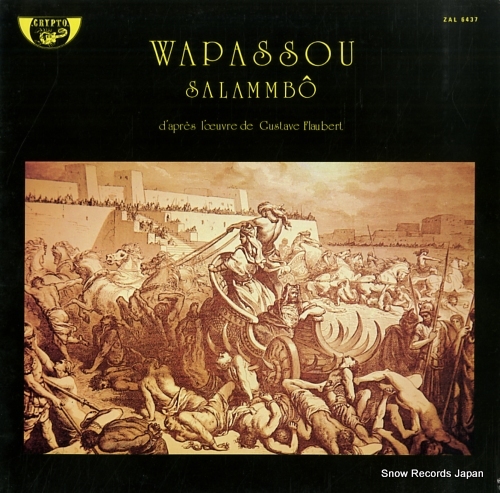
Behind the intervals between them might be seen the cohorts of the velites, and further on the great helmets of the Clinabarians, with steel heads glancing in the sun, cuirasses, plumes, and waving standards. But the Carthaginian army, which amounted to eleven thousand three hundred and ninety-six men, seemed scarcely to contain them, for it formed an oblong, narrow at the sides and pressed back upon itself.
Seeing them so weak, the Barbarians, who were thrice as numerous, were seized with extravagant joy. Hamilcar was not to be seen. Perhaps he had remained down yonder? Moreover what did it matter? The disdain which they felt for these traders strengthened their courage; and before Spendius could command a manoeuvre they had all understood it, and already executed it.
They were deployed in a long, straight line, overlapping the wings of the Punic army in order to completely encompass it. But when there was an interval of only three hundred paces between the armies, the elephants turned round instead of advancing; then the Clinabarians were seen to face about and follow them; and the surprise of the Mercenaries increased when they saw the archers running to join them. So the Carthaginians were afraid, they were fleeing! A tremendous hooting broke out from among the Barbarian troops, and Spendius exclaimed from the top of his dromedary: "Ah! I knew it! Forward! forward!"
Then javelins, darts, and sling-bullets burst forth simultaneously. The elephants feeling their croups stung by the arrows began to gallop more quickly; a great dust enveloped them, and they vanished like shadows in a cloud.
But from the distance there came a loud noise of footsteps dominated by the shrill sound of the trumpets, which were being blown furiously. The space which the Barbarians had in front of them, which was full of eddies and tumult, attracted like a whirlpool; some dashed into it. Cohorts of infantry appeared; they closed up; and at the same time all the rest saw the foot-soldiers hastening up with the horseman at a gallop.
Hamilcar had, in fact, ordered the phalanx to break its sections, and the elephants, light troops, and cavalry to pass through the intervals so as to bring themselves speedily upon the wings, and so well had he calculated the distance from the Barbarians, that at the moment when they reached him, the entire Carthaginian army formed one long straight line.
In the centre bristled the phalanx, formed of syntagmata or full squares having sixteen men on each side. All the leaders of all the files appeared amid long, sharp lanceheads, which jutted out unevenly around them, for the first six ranks crossed their sarissae, holding them in the middle, and the ten lower ranks rested them upon the shoulders of their companions in succession before them. Their faces were all half hidden beneath the visors of their helmets; their right legs were all covered with bronze knemids; broad cylindrical shields reached down to their knees; and the horrible quadrangular mass moved in a single body, and seemed to live like an animal and work like a machine. Two cohorts of elephants flanked it in regular array; quivering, they shook off the splinters of the arrows that clung to their black skins. The Indians, squatting on their withers among the tufts of white feathers, restrained them with their spoon-headed harpoons, while the men in the towers, who were hidden up to their shoulders, moved about iron distaffs furnished with lighted tow on the edges of their large bended bows. Right and left of the elephants hovered the slingers, each with a sling around his loins, a second on his head, and a third in his right hand. Then came the Clinabarians, each flanked by a Negro, and pointing their lances between the ears of their horses, which, like themselves, were completely covered with gold. Afterwards, at intervals, came the light armed soldiers with shields of lynx skin, beyond which projected the points of the javelins which they held in their left hands; while the Tarentines, each having two coupled horses, relieved this wall of soldiers at its two extremities.
The army of the Barbarians, on the contrary, had not been able to preserve its line. Undulations and blanks were to be found through its extravagant length; all were panting and out of breath with their running.
The phalanx moved heavily along with thrusts from all its sarissae; and the too slender line of the Mercenaries soon yielded in the centre beneath the enormous weight.
Then the Carthaginian wings expanded in order to fall upon them, the elephants following. The phalanx, with obliquely pointed lances, cut through the Barbarians; there were two enormous, struggling bodies; and the wings with slings and arrows beat them back upon the phalangites. There was no cavalry to get rid of them, except two hundred Numidians operating against the right squadron of the Clinabarians. All the rest were hemmed in, and unable to extricate themselves from the lines. The peril was imminent, and the need of coming to some resolution urgent.
Spendius ordered attacks to be made simultaneously on both flanks of the phalanx so as to pass clean through it. But the narrower ranks glided below the longer ones and recovered their position, and the phalanx turned upon the Barbarians as terrible in flank as it had just been in front.
They struck at the staves of the sarissae, but the cavalry in the rear embarrassed their attack; and the phalanx, supported by the elephants, lengthened and contracted, presenting itself in the form of a square, a cone, a rhombus, a trapezium, a pyramid. A twofold internal movement went on continually from its head to its rear; for those who were at the lowest part of the files hastened up to the first ranks, while the latter, from fatigue, or on account of the wounded, fell further back. The Barbarians found themselves thronged upon the phalanx. It was impossible for it to advance; there was, as it were, an ocean wherein leaped red crests and scales of brass, while the bright shields rolled like silver foam. Sometimes broad currents would descend from one extremity to the other, and then go up again, while a heavy mass remained motionless in the centre. The lances dipped and rose alternately. Elsewhere there was so quick a play of naked swords that only the points were visible, while turmae of cavalry formed wide circles which closed again like whirlwinds behind them.
Above the voices of the captains, the ringing of clarions and the grating of tyres, bullets of lead and almonds of clay whistled through the air, dashing the sword from the hand or the brain out of the skull. The wounded, sheltering themselves with one arm beneath their shields, pointed their swords by resting the pommels on the ground, while others, lying in pools of blood, would turn and bite the heels of those above them. The multitude was so compact, the dust so thick, and the tumult so great that it was impossible to distinguish anything; the cowards who offered to surrender were not even heard. Those whose hands were empty clasped one another close; breasts cracked against cuirasses, and corpses hung with head thrown back between a pair of contracted arms. There was a company of sixty Umbrians who, firm on their hams, their pikes before their eyes, immovable and grinding their teeth, forced two syntagmata to recoil simultaneously. Some Epirote shepherds ran upon the left squadron of the Clinabarians, and whirling their staves, seized the horses by the man; the animals threw their riders and fled across the plain. The Punic slingers scattered here and there stood gaping. The phalanx began to waver, the captains ran to and fro in distraction, the rearmost in the files were pressing upon the soldiers, and the Barbarians had re-formed; they were recovering; the victory was theirs.
But a cry, a terrible cry broke forth, a roar of pain and wrath: it came from the seventy-two elephants which were rushing on in double line, Hamilcar having waited until the Mercenaries were massed together in one spot to let them loose against them; the Indians had goaded them so vigorously that blood was trickling down their broad ears. Their trunks, which were smeared with mimium, were stretched straight out in the air like red serpents; their breasts were furnished with spears and their backs with cuirasses; their tusks were lengthened with steel blades curved like sabres,—and to make them more ferocious they had been intoxicated with a mixture of pepper, wine, and incense. They shook their necklaces of bells, and shrieked; and the elephantarchs bent their heads beneath the stream of phalaricas which was beginning to fly from the tops of the towers.
In order to resist them the better the Barbarians rushed forward in a compact crowd; the elephants flung themselves impetuously upon the centre of it. The spurs on their breasts, like ships' prows, clove through the cohorts, which flowed surging back. They stifled the men with their trunks, or else snatching them up from the ground delivered them over their heads to the soldiers in the towers; with their tusks they disembowelled them, and hurled them into the air, and long entrails hung from their ivory fangs like bundles of rope from a mast. The Barbarians strove to blind them, to hamstring them; others would slip beneath their bodies, bury a sword in them up to the hilt, and perish crushed to death; the most intrepid clung to their straps; they would go on sawing the leather amid flames, bullets, and arrows, and the wicker tower would fall like a tower of stone. Fourteen of the animals on the extreme right, irritated by their wounds, turned upon the second rank; the Indians seized mallet and chisel, applied the latter to a joint in the head, and with all their might struck a great blow.
Down fell the huge beasts, falling one above another. It was like a mountain; and upon the heap of dead bodies and armour a monstrous elephant, called "The Fury of Baal," which had been caught by the leg in some chains, stood howling until the evening with an arrow in its eye.
The others, however, like conquerors, delighting in extermination, overthrew, crushed, stamped, and raged against the corpses and the debris. To repel the maniples in serried circles around them, they turned about on their hind feet as they advanced, with a continual rotatory motion. The Carthaginians felt their energy increase, and the battle begin again.
The Barbarians were growing weak; some Greek hoplites threw away all their arms, and terror seized upon the rest. Spendius was seen stooping upon his dromedary, and spurring it on the shoulders with two javelins. Then they all rushed away from the wings and ran towards Utica.
The Clinabarians, whose horses were exhausted, did not try to overtake them. The Ligurians, who were weakened by thirst, cried out for an advance towards the river. But the Carthaginians, who were posted in the centre of the syntagmata, and had suffered less, stamped their feet with longing for the vengeance which was flying from them; and they were already darting forward in pursuit of the Mercenaries when Hamilcar appeared.
He held in his spotted and sweat-covered horse with silver reins. The bands fastened to the horns on his helmet flapped in the wind behind him, and he had placed his oval shield beneath his left thigh. With a motion of his triple-pointed pike he checked the army.
The Tarentines leaped quickly upon their spare horses, and set off right and left towards the river and towards the town.
The phalanx exterminated all the remaining Barbarians at leisure. When the swords appeared they would stretch out their throats and close their eyelids. Others defended themselves to the last, and were knocked down from a distance with flints like mad dogs. Hamilcar had desired the taking of prisoners, but the Carthaginians obeyed him grudgingly, so much pleasure did they derive from plunging their swords into the bodies of the Barbarians. As they were too hot they set about their work with bare arms like mowers; and when they desisted to take breath they would follow with their eyes a horseman galloping across the country after a fleeing soldier. He would succeed in seizing him by the hair, hold him thus for a while, and then fell him with a blow of his axe.
In the early years of practice I realized I was trashing my body. I had to find out why, so I could keep dancing.
I began to work with the two of the most obvious body systems, bones and muscles. I figured bones were meant to bear weight and the muscles function was to realize impulse. I was requiring my muscles to do too much work supporting weight. Instead, I could align my bones for that purpose. As I continue working with this, I'm becoming aware of how essential it is to have an engaged, awake center to support the whole process. Like a 'grand central station' to route and coordinate the impulses arising and dispersing, traveling between me and my periphery, between me and you. I study efficiency of movement. What is the least effort required in any circumstance? Learning efficiency has dramatically effected my ability to sustain extended dancing and prevent injury. That does not mean that I always dance effortlessly. Sometimes, I thoroughly enjoy and need to exert my muscles, work them hard. Knowing what is efficient helps me to know whether I am ‘muscling’ for the satisfaction or the habit. Read More ...

http://vismotrixdc.blogspot.com/
φῦσαι δ᾽ ἐν χοάνοισιν ἐείκοσι πᾶσαι ἐφύσων        470
παντοίην εὔπρηστον ἀϋτμὴν ἐξανιεῖσαι,
ἄλλοτε μὲν σπεύδοντι παρέμμεναι, ἄλλοτε δ᾽ αὖτε,
ὅππως Ἥφαιστός τ᾽ ἐθέλοι καὶ ἔργον ἄνοιτο.
χαλκὸν δ᾽ ἐν πυρὶ βάλλεν ἀτειρέα κασσίτερόν τε
καὶ χρυσὸν τιμῆντα καὶ ἄργυρον· αὐτὰρ ἔπειτα  475
θῆκεν ἐν ἀκμοθέτῳ μέγαν ἄκμονα, γέντο δὲ χειρὶ
ῥαιστῆρα κρατερήν, ἑτέρηφι δὲ γέντο πυράγρην.

http://www.mikrosapoplous.gr/iliada/BIBLIO_18_468_617_telos.htm
Εαν ταις γλώσσαις των ανθρώπων λαλώ και των αγγέλων, αγάπην δε μη έχω, γέγονα χαλκός ηχών ή κύμβαλον αλλαλάζον. Και εάν έχω προφητείαν και ειδώ τα μυστήρια πάντα και πάσαν την γνώσιν, και εάν έχω πάσαν την πίστιν, ώστε όρη μεθιστάνειν, αγάπην δε μη έχω, ουδέν ειμί. ... Η αγάπη πάντα στέγει, πάντα πιστεύει, πάντα ελπίζει, πάντα υπομένει. Η αγάπη ουδέποτε εκπίπτει. Είτε δε προφητείαι καταργηθήσονται, είτε γλώσσαι παύσονται, είτε γνώσις καταργηθήσεται. Εκ μέρους γαρ γιγνώσκομεν και εκ μέρους προφητεύομεν. Οταν δε έλθη το τέλειον το εκ μέρους καταργηθήσεται. Οτε ήμην νήπιος, ως νήπιος ελάλουν, ως νήπιος εφρόνουν, ως νήπιος ελογιζόμην. Οτε δε γέγονα ανήρ, κατήργηκα τα του νηπίου. Βλέπομεν γαρ άρτι δι' εσόπτρου εν αινίγματι, τότε δε πρόσωπον προς πρόσωπον. Αρτι γιγνώσκω εκ μέρους, τότε δε επιγνώσομαι ως και επεγνώσθην. Νυνί δε μένει πίστις, ελπίς, αγάπη, τα τρία ταύτα. Μείζων δε τούτων η αγάπη.


plunged in torment plunged in fire whose fire flames if that continues and who can doubt it will fire the firmament that is to say blast hell to heaven so blue still and calm so calm with a calm which even though intermittent is better than nothing but not so fast and considering what is more that as a result of the labors left unfinished crowned by the Acacacacademy of Anthropopopometry of Essy-in-Possy of Testew and Cunard it is established beyond all doubt all other doubt than that which clings to the labors of men that as a result of the labors unfinished of Testew and Cunard it is established as hereinafter but not so fast for reasons unknown that as a result of the public works of Puncher and Wattman it is established beyond all doubt that in view of the labors of Fartov and Belcher left unfinished for reasons unknown of Testew and Cunard left unfinished it is established what many deny that man in Possy of Testew and Cunard that man in Essy that man in short that man in brief in spite of the strides of alimentation and defecation wastes and pines wastes and pines and concurrently simultaneously what is more for reasons unknown in spite of the strides of physical culture the practice of sports such as tennis football running cycling swimming flying floating riding gliding conating camogie skating

Given the existence as uttered forth in the public works of Puncher and Wattman of a personal God quaquaquaqua with white beard quaquaquaqua outside time without extension who from the heights of divine apathia divine athambia divine aphasia loves us dearly with some exceptions for reasons unknown but time will tell and suffers like the divine Miranda with those who for reasons unknown but time will tell are

tennis of all kinds dying flying sports of all sorts autumn summer winter
winter tennis of all kinds hockey of all sorts penicilline and succedanea in a word I resume flying gliding golf over nine and eighteen holes tennis of all sorts in a word for reasons unknown in Feckham Peckham Fulham Clapham namely concurrently simultaneously what is more for reasons unknown but time will tell fades away I resume Fullham Clapham in a word the dead loss per head since the death of Bishop Berkeley being to the tune of one inch four ounce per head approximately by and large more or less to the nearest decimal good measure round figures stark naked in the stockinged feet in Connemara in a word for reasons unknown no matter what matter the facts are there and considering what is more much more grave that in the light of the labors lost of Steinweg and Peterman it appears what is more much more grave that in the light the light the light of the labors lost of Steinweg and Peterman that in the plains in the mountains by the seas by the rivers running water running fire the air is the same and then the earth namely the air and then the earth in the great cold the great dark the air and the earth abode of stones in the great cold alas alas in the year of their Lord six hundred and something the air the earth the sea the earth abode of stones in the great deeps the great cold on sea on land and in the air I resume for reasons unknown in spite of the tennis the facts are there but time will tell I resume alas alas on on in short in fine on on abode of stones who can doubt it I resume but not so fast I resume the skull fading fading fading and concurrently simultaneously what is more for reasons unknown in spite of the tennis on on the beard the flames the tears the stones so blue so calm alas alas on on the skull the skull the skull the skull in Connemara in spite of the tennis the labors abandoned left unfinished graver still abode of stones in a word I resume alas alas abandoned unfinished the skull the skull in Connemara in spite of the tennis the skull alas the stones Cunard (melee, final vociferations) tennis . . . the stones . . . so calm . . . Cunard . . . unfinished . . .

Polynomials